Dr. Monica Aggarwal

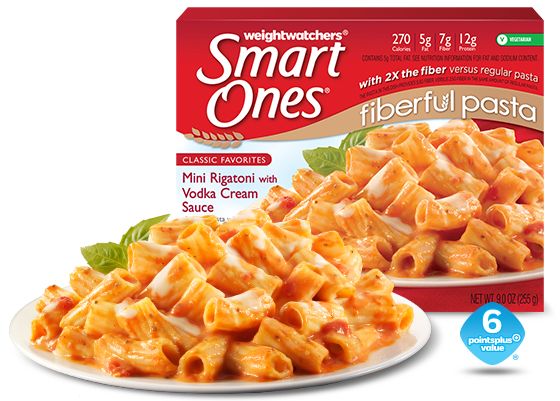
What is in this food? Weight Watchers frozen dinner.

What is in this food? I was at work the other day and I saw someone eating this meal. She was explaining to her friend that she was trying to eat right so that she could lose weight. But will this food make you “lose weight?” First, notice the outside label. It says “Smart ones” and “weight watchers”. It says “2x the fiber versus regular pasta” It says “vegetarian” and only “270 calories”–all enticing marketing ploys. So I went in for a closer look. First, let’s look at the ingredients. The first ingredient is “enriched” pasta (which means they added some vitamins to the pasta with questionable absorption in the body) and then sauce. Then, there is parmesan cheese, half and half (milk, cream), whey protein concentrate, cornstarch, olive oilsugar, salt, lipolyzed cream, butterfat, xanthan gum, flavor, lactic acid, spice and reduced fat mozzarella cheese.
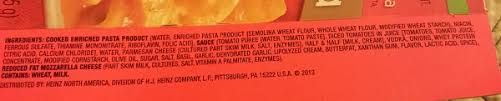
So, look at how many ingredients are in this thing. Then, look at how many types of cream, milk and oil that are in this product.  Think about how much processing is in this food. Remember, our body doesnt like all that processed foods. It is highly inflammatory. What do you think “flavor” is?  A good guide to what you should eat is to ask “would my grandmother recognize these ingredients?” Also, consider, how you make pasta at home. When I make it at home, I take pasta noodles, red sauce and vegetables. What do you think all that other stuff is needed for? Consider that if the food has more than 5 ingredients in it, you probably dont want to eat it. Also note that this food has 500mg of salt in it! So, in order to make it taste better, they have added loads of salt to it.  I asked the woman if she felt full after eating it because when I eat, I like to feel full. She said she never feels full after eating the meal but that this what was she was allowed to eat. I then asked her what happens when she gets home. She said she was so hungry that she often ends up snacking or eating a large dinner.

This is not a healthy product. It will not get you to lose weight and it creates an inflammatory environment for your body. If you want pasta, eat fresh pasta. Skip the cream. Skip the cheese. Add red sauce and vegetables and eat well. Yum.

What is in this food? Weight Watchers frozen dinner. Read More »

Without meat and eggs, no protein?

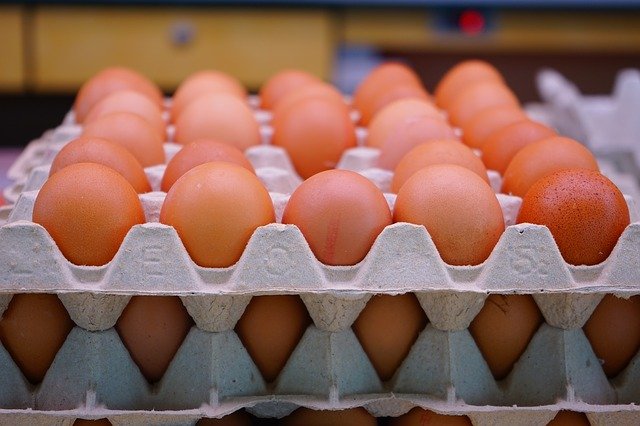
People ask me all the time about how I get my protein without eggs, meat and cheese. I just had this question today in clinic. In America, we are fixated with our protein sources. There is plenty of protein in beans and lentils that I promise you. You do not need animal products to get energy. You will actually find that without the animal products, you will likely feel lighter. I find that it is sugars and processed foods that make most people low in energy. It creates the ups and downs in sugar levels that lead that to that post lunch drowsiness. I dont get that!

Meat and eggs have been shown to go into the gut where the gut produces TMAO. This is a substance that has been shown to increase plaque in the heart arteries and increase bad heart outcomes. http://www.nejm.org/doi/full/10.1056/NEJMoa1109400

Some of the best athletes in the world don’t eat meat, dairy or eggs. I am the strongest I have ever been without these things!

Without meat and eggs, no protein? Read More »

Kale: A SUPERFOOD

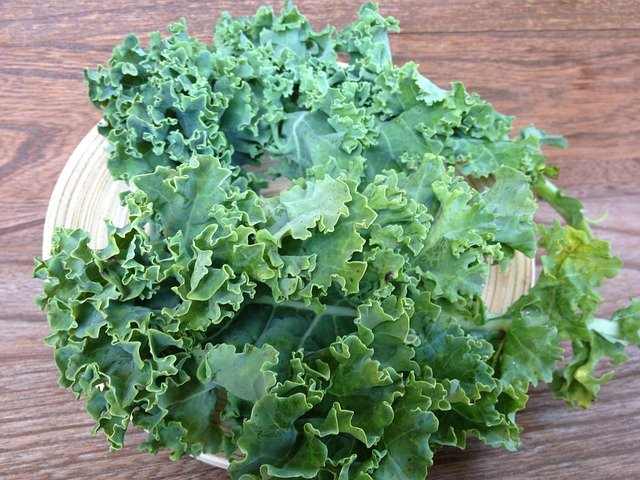
Kale has received a lot of press lately as the wonder vegetable, a super food. It really is an interesting vegetable. It has an abundance of vitamin A, potassium and magnesium. It also has iron, calcium and protein. It has an abundance of B vitamins, including folate which has a role in brain development. There is also fiber in kale which is good for bringing out cholesterol. It also has alpha linoleic acid (ALA) which is an omega 3 fatty acid and lutein which is good for macular degeneration.

I tried to eat kale at least three times per week. There are different types of kale: lacinato, green and red kale. Red and green kale are hard to get in the winter. People often say that they don’t like kale. Lacinato kale has a thick stem and if you just chop the kale, it will be rough to chew. So De-stem the kale. Then chop up the leaves. I usually massage in some hummus to soften it, leave them for an hour and then might sprinkle a few sesame seeds on it. So good. You can use the stems in a soup or broth.

Learn to eat all sorts of vegetables but not only one type. For instance, spinach is full of iron but doesn’t have calcium and may even leach calcium that you have just eaten. Turnip greens, mustard greens, bok choy and kale among others have lots of calcium. So vary it up, many different types of greens all of the time.

Kale: A SUPERFOOD Read More »

What is Normal Cholesterol? What should we aim for?

This is a good question. First, some definitions. Our lipid panel is broken into 4 parts: total cholesterol, triglycerides, HDL and LDL. Triglycerides are the most modifiable acutely with diet. these are responsibe to decreasing sugars and excess intake in our diets. We aim for a goal of <150 gm/dL for triglycerides. Recent data shows that people with lower triglycerides do better with long term mortality (i.e. they live longer). The HDL is the “health” cholesterol. A way to think about it is that it the cholesterol that takes plaque out of the heart. So the higher the better here. We aim for an HDL of >50 gm/dL in women and >40 gm/dL in men. The last  number is the LDL which is the “lethal” cholesterol. I always tell people to think about that as the cholesterol that gets put into the heart. Then the goal is to have low LDL, low triglycerides and high HDL.  The total cholesterol is just a sum of the whole. We dont know what number the LDL should be at. We know that >160 gm/dL is high. We also know that lower is better. We have studied statins use and bringing LDL to <70 gm/dL and those patients has improved mortality. When we are born are LDL is about 40-50 gm/dL.  We also know that young people at age 5-6 years already have fatty streaks (cholesterol lines) in the heart arteries. Autopsies of Vietnam and Korean war mortalities (average age 22 years) had plaque in their hearts.

Bottom Line

Lower is better. We will never drop it too low that we will not have enough. Our livers can make it. It is essential for cell wall production but an LDL of somewhere between 40-70 gm/dL is perfect. Remember, it starts in our very young. We have to eat well and have our kids eat well. There is no pass for our kids that “it is okay, they are little” Plaque builds at very young ages. Raise them as kids the way you want them to be as adults.

What is Normal Cholesterol? What should we aim for? Read More »

My Gold: TURMERIC

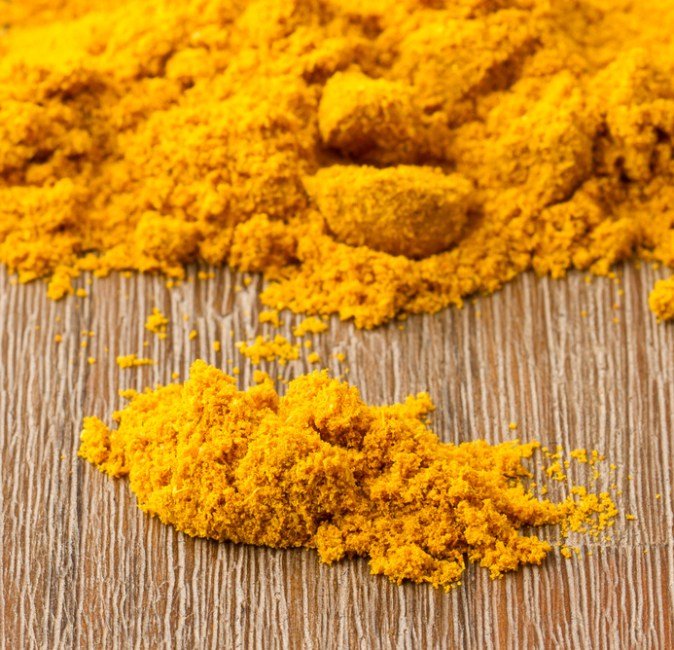
The studies on turmeric are amazing. A fascinating role for turmeric is in Alzheimer’s disease. The brain has cells called neurons that are responsible for connecting (synapsing) in order that thoughts we have manifest in actions. In Alzheimer’s disease, plaque forms between these cells decreasing the ability of these neurons to communicate. These communications are the key to cognition, memory and judgment and without them, we see the impairments that are evident in Alzheimer’s patients. In America, the rate of Alzheimer’s disease is almost 25 times of that seen in India. In animal studies, curcumin was found to bound to plaque and prevented it from clumping and decreasing communication! Curcumin is also an important antiviral and antiseptic. For centuries, people have put turmeric paste onto cuts to prevent bacterial infections. Use this often and much. It is bitter. Must grind black pepper with it to increase absorption.

Turmeric. I have a 1/2 teaspoon in my water 2-3 times per week and put it in all of my food. It is bitter so add a little lemon to the water. Or mix it in with your beans and lentils while you are cooking.

My Gold: TURMERIC Read More »

What is the deal with soy? Good or bad for us?

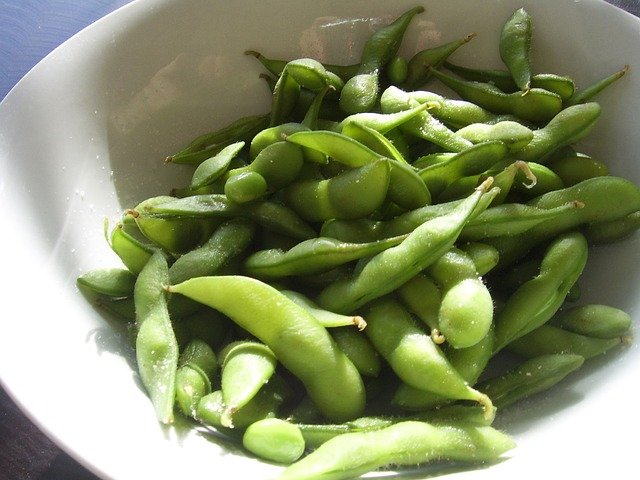
People asking about soy milk lately. Soy good or bad? Causes cancer or not? Soy is quite popular in the US. It comes if forms of whole soybeans (edamame), soymilk, soybean oil, tofu, tempeh, miso, and many vegetarian meat and dairy substitues. Soy has gotten bad press lately because soy products are made up of isoflavones. Isoflavones are phytoestrogens and it has been hypothesized that this extra estrogen would excessive; thus, increasing the risk of cancers, specifically breast cancers. Studies DO NOT support this. In fact, studies show that people who eat soy may have a decreased risk of cancer compared to those with no soy in their diets. There was a 2012 analysis of 9514 women from US and China. Those people who took in the most soy had a 25% less likelihood of developing recurrent cancer. There is data to suggest soy eaters have less prostate, colon and breast cancers. This may be in part due to the fact that those isoflavones are phytoestrogens but have an opposite effect than previously suspected. These phyoestrogens may actually block the effects of estrogens. Importantly though, soy has shown benefit in estrogen negative cancers as well.

There is also concern about male fertility. Studies show that soy does not have an adverse affect on male hormones (testosterone). Soy infant formulas will not affect the babies’ reproductive health. There is also a role in inflammation. Inflammation is the source of most chronic illnesses. One thousand Chinese women who ate more soy had less inflammation. Soy reduced hot flashes in menopause as well!

Bottom Line

It is okay and in fact good to eat soy!! But please remember whole soy products are the best; i.e. edamame, soymilk, tofu, miso. Remember, studies were not done on the processed soys: like soy protein isolates. Processed foods come with their issues and the soy protein isolates have some questionable health benefits. Also we need to consider the role of genetically modified soybeans. Try to eat non-GMO soy. But, Enjoy soy. Dont be afraid to have your kids drink it. It is all good! Now, dont overdo it because you think it will decrease your risk of cancer. Just eat it as a great protein and nutrient source as you desire but dont overdo it!

What is the deal with soy? Good or bad for us? Read More »

Shopping Cart
Scroll to Top